Middle East Conflict Impact on Global Logistics and China-Europe Rail Freight Market in 2026
Since late February 2026, the escalating conflict around the Strait of Hormuz — triggered by military confrontations between Iran, the United States, and Israel — has caused severe disruptions to global energy supplies and international shipping routes. The impact on ocean freight markets and China-Europe logistics has been profound, accelerating a shift toward alternative transport modes including China-Europe rail freight services.
In terms of energy markets, this conflict has directly threatened one of the worlds most critical energy chokepoints. The Strait of Hormuz handles approximately 20% of global oil shipments, and operations came close to a complete standstill at certain points. Brent crude oil prices surged past USD 120 per barrel, representing a roughly 30% increase from the start of the year. Market analysts project a global supply shortfall of approximately 750,000 barrels per day in 2026. Simultaneously, liquefied natural gas (LNG) prices in Asian markets surged by over 140%, with the energy crisis rapidly spreading across global markets.
The shipping and supply chain disruptions have been equally severe. Due to heightened security risks in the region, a large number of shipping companies suspended or rerouted services away from Middle Eastern sea lanes. Over 70% of tanker capacity temporarily withdrew from the area, with more than 150 vessels either stranded or anchored for safety. Recovery plans for the Red Sea and Suez Canal routes were forced to halt, with some services rerouted via the Cape of Good Hope, adding 10 to 14 days to transit times and increasing costs by approximately USD 2,000 to 4,000 per container. Combined with rising war risk insurance premiums, overall global ocean freight costs have increased by 30% to 50%.
At the supply chain level, rising energy prices have further impacted the manufacturing sector. Shortages of petrochemical feedstocks such as naphtha have affected industries including plastics, textiles, and food packaging, with some Asian countries experiencing production cutbacks and supply tightness. Approximately 136 million barrels of crude oil transport has been disrupted, placing restructuring pressure on both energy and industrial supply chains.
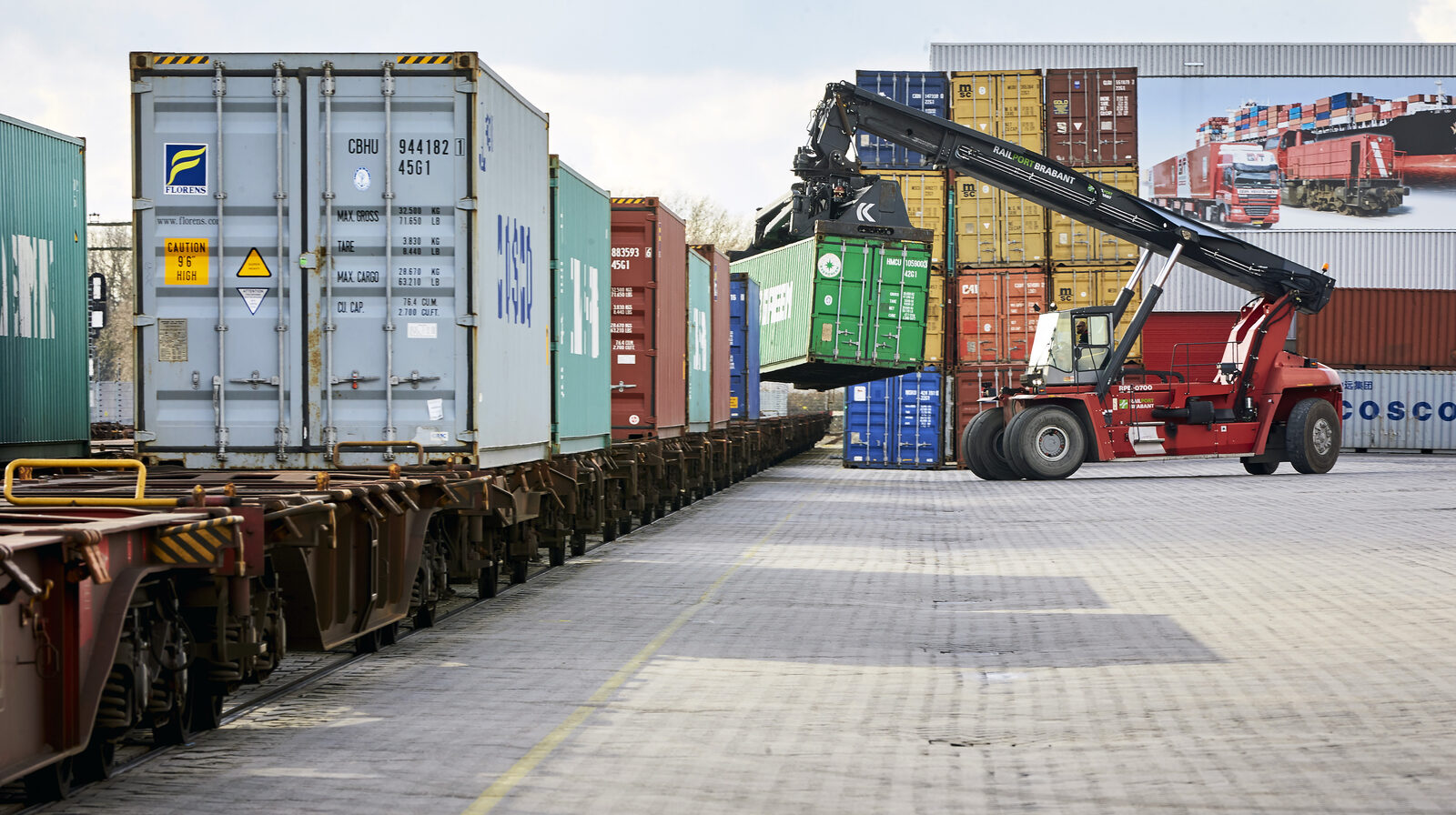
Against this backdrop, China-Europe Railway Express services have seen their competitive advantages significantly enhanced. With ocean freight becoming unstable and costly, substantial cargo volumes have shifted to rail transport. Over the past three months, China-Europe rail freight rates have risen by approximately 50%, with capacity on popular westbound routes to destinations such as Malaszewicze, Duisburg, and Hamburg running at consistently high utilization rates. Rail transports advantages in transit time stability and operational predictability have become increasingly prominent, establishing it as a vital alternative corridor connecting China-Europe supply chains.
Overall, the current Middle East conflict has evolved from a regional military event into a global economic shock. High energy prices, rising ocean freight costs, and supply chain restructuring trends are unlikely to reverse in the short term. In this environment, China-Europe rail freight is accelerating its transformation from a supplementary transport mode to a critical logistics corridor, with its strategic importance in China-Europe trade set to increase further in the coming months.