China-Europe Rail Freight Market Outlook June 2026: Ocean Freight Rates Cool as Russian Energy Crisis Emerges
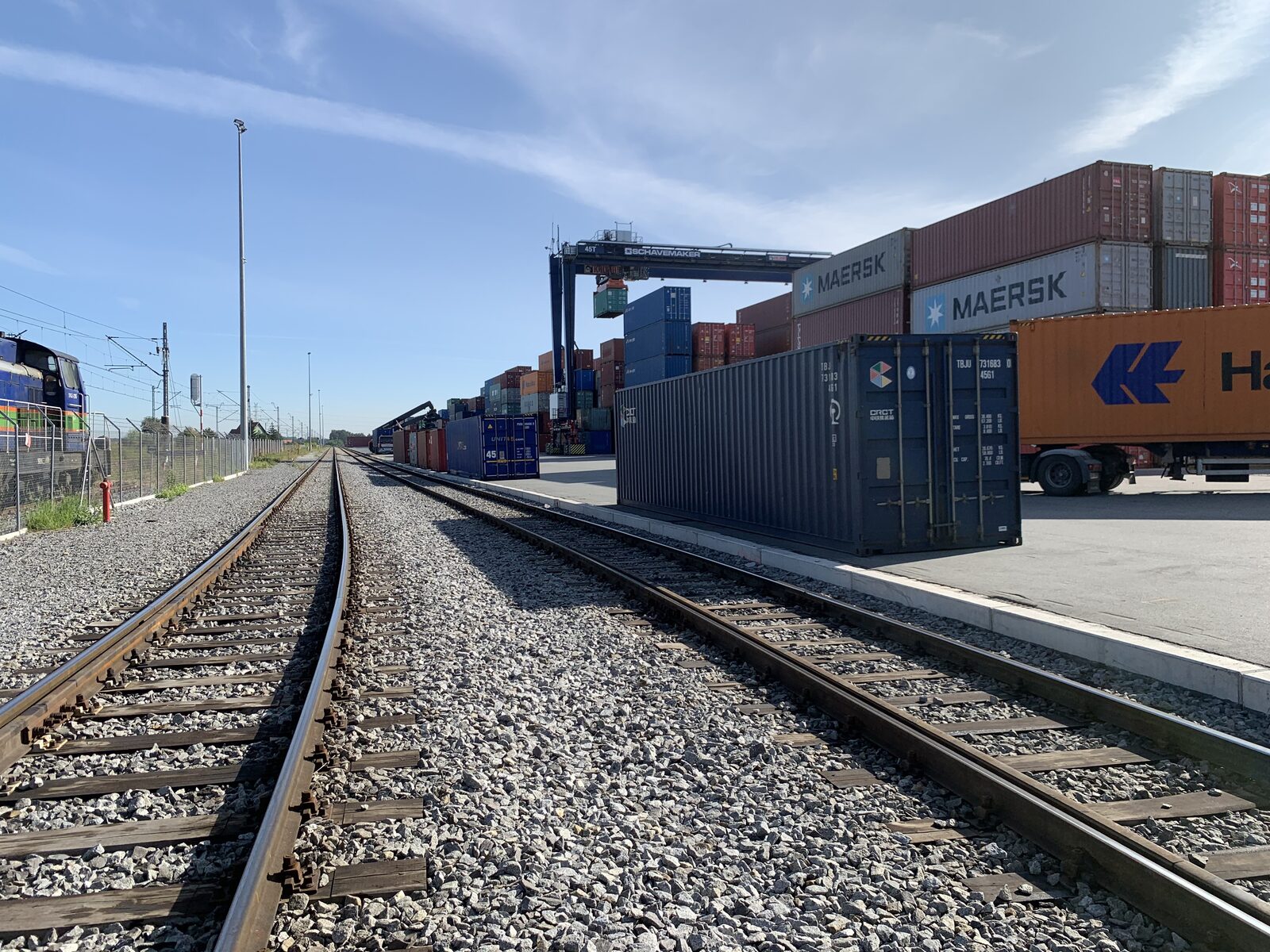
As of late May 2026, the China-Europe rail freight market is entering a transitional phase. Ocean freight rates from China to Europe are cooling from their crisis-driven peaks, easing the pressure that had pushed China-Europe rail freight rates sharply higher over the past three months. At the same time, Ukrainian strikes on Russian energy infrastructure are emerging as a new source of uncertainty for the entire China-Europe rail freight corridor. Understanding both dynamics is critical for shippers and freight forwarders planning shipments from Chengdu, Xi'an, Chongqing, and other China origin points to European destinations such as Duisburg, Hamburg, Malaszewicze, Lodz, and Tilburg.
On the ocean freight side, the sharp cost spike triggered by the Strait of Hormuz crisis has clearly eased. Brent crude has retreated from over USD 120 per barrel to around USD 85 to 90 per barrel. War risk insurance premiums for tankers and container vessels have dropped significantly, and shipping companies are gradually restoring services on Red Sea and Suez Canal routes. Asia to Europe container spot rates have fallen roughly 20 to 30 percent from their peak, and queues at Cape of Good Hope reroutes have shortened. Global ocean freight is transitioning from crisis pricing back to more normal supply and demand dynamics.
The pass-through effect on the China-Europe rail freight market is becoming visible. Over the past three months, Chengdu to Europe rail rates had climbed steadily as cargo overflowed from ocean lanes. As ocean freight normalizes, part of that overflow demand is returning to sea transport, easing the extreme tightness on westbound rail routes. On popular Chengdu-Europe corridors including Chengdu to Malaszewicze, Chengdu to Duisburg, and Chengdu to Hamburg, slot availability has improved compared to April, and rate quotes have begun to soften. Market participants expect China-Europe rail freight rates to gradually retreat from their peak in the coming weeks, though they will remain well above pre-crisis levels.
However, just as the ocean freight variable begins to fade, a new pressure point is emerging in Russia. Since spring 2026, Ukraine has intensified long-range strikes on Russian oil refineries, energy hubs, and power grid facilities. Several major refineries have suspended operations, and diesel and gasoline supplies in some Russian regions are tightening. Russia's rail network is heavily dependent on diesel-powered switching operations and reliable power supply for signaling and electrified sections. The ripple effect on China-Europe Railway Express operations is starting to show.
Specifically, three concerning signals are emerging for the China-Europe rail freight corridor. First, some transit stations in Russia have reported longer dwell times, with switching and marshalling operations slowing due to fuel supply constraints. Second, rising diesel prices are pushing up traction costs, and Russian Railways may adjust transit fees in the coming period, feeding directly into overall China-Europe rail freight rates. Third, power supply instability in certain regions has caused sporadic disruptions to signaling systems, adding pressure to on-time performance for eastbound and westbound trains alike. So far these impacts remain localized and controllable, but if strikes on Russian energy infrastructure continue to escalate, they could evolve into a systemic risk affecting the entire China-Europe rail corridor.
Overall, the China-Europe rail freight market is entering a transitional phase. Rate support from the Middle East crisis is fading, but the Russian energy situation is injecting new uncertainty into transit time reliability. For shippers planning FCL and LCL shipments from China to Europe, this means China-Europe rail freight has moved past its most expensive window, but transit time stability may become the next variable to watch closely. We recommend that clients with cargo scheduled for June and July book slots early, maintain close communication with their freight forwarder, and keep flexibility in their transport planning to manage potential fluctuations on Chengdu-Europe and other China-Europe rail corridors.