Q1 2026 China-Europe Trade Policy Dynamics and Logistics Trend Analysis
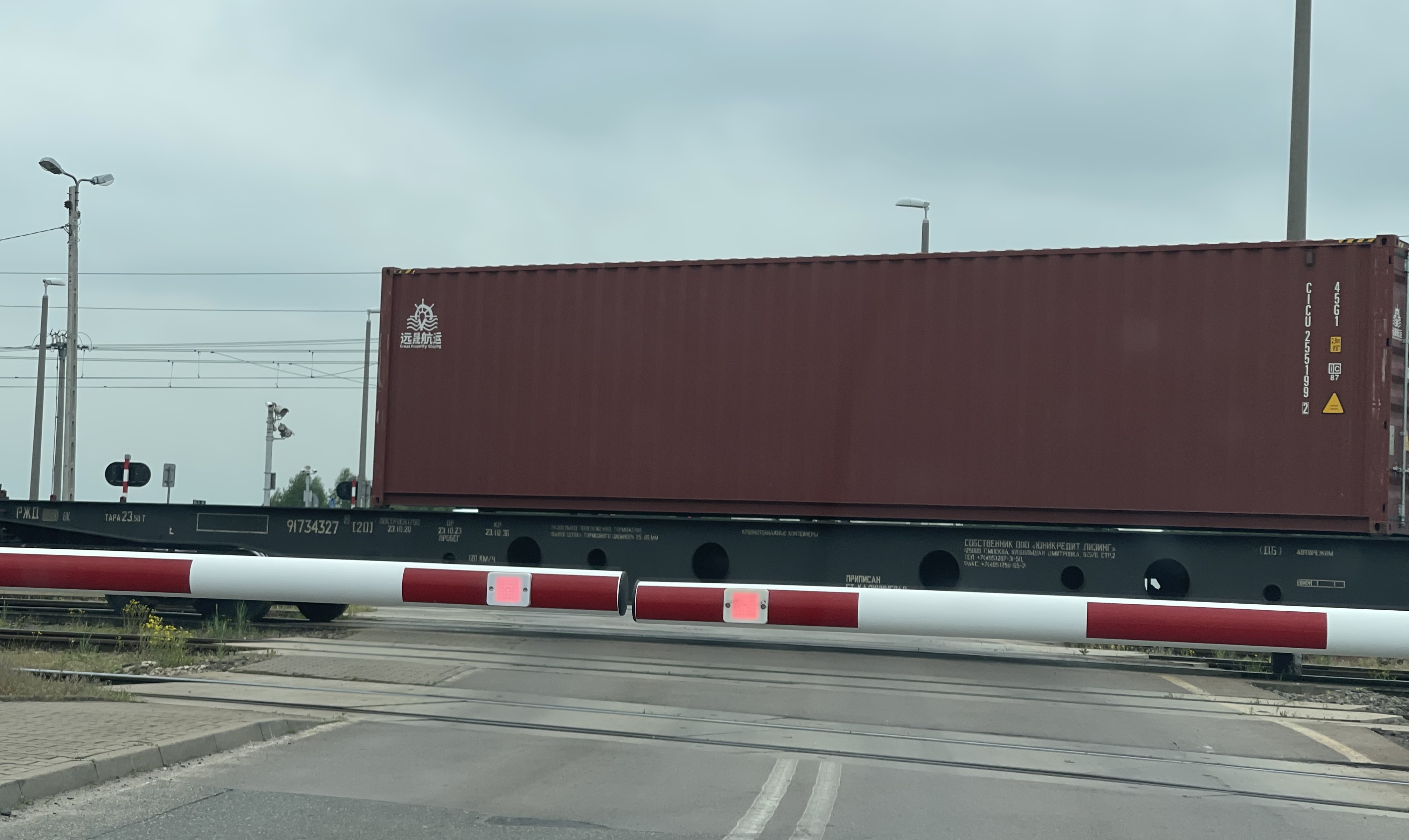
From January to April 2026, international trade policies between China and the EU have shown a trend of deepening cooperation alongside structural adjustments. Against the backdrop of global supply chain restructuring, China-Europe trade continues to demonstrate strong resilience while also facing new policy environments and compliance requirements.
First, in trade facilitation and logistics, both China and Europe continue to promote cross-border transport efficiency improvements. China has been advancing smart customs, paperless clearance, and the Railway Express Customs Clearance model, significantly enhancing the overall operational efficiency of China-Europe Railway Express services. Meanwhile, although some European countries have extended temporary border inspection measures, overall freight flows remain stable and have not posed substantial obstacles to China-Europe rail freight. This enables China-Europe rail services to maintain their competitive advantage in balancing stability and transit efficiency.
Second, in industrial policy, green trade and high-end manufacturing have become core themes. The EU continues to advance its Carbon Border Adjustment Mechanism (CBAM) and Green Deal, imposing higher standards on imports of high-carbon products. China, meanwhile, is accelerating its export positioning in new energy, photovoltaics, and electric vehicles. New energy vehicles, photovoltaic modules, and high-end equipment have become important drivers of current China-Europe trade growth, and are also key areas of policy focus.
At the trade supervision level, the EU has strengthened scrutiny of certain Chinese products, particularly in the electric vehicle sector and related supply chains, involving anti-subsidy investigations and market access issues. Nevertheless, the overall bilateral trade relationship remains stable, with no large-scale restrictive measures imposed. The market generally believes that China-Europe trade policy is entering a compliance-driven phase, placing higher demands on customs declaration, certification, and environmental standards for enterprises.
Overall, China-Europe logistics and rail freight maintain clear advantages in the current environment. As the China-Europe rail network continues to improve and the policy landscape gradually clarifies, rail transport will play an increasingly important role in cross-border supply chains. For enterprises, enhancing compliance capabilities, optimizing transport solutions, and monitoring China-Europe trade policy changes will be key to maintaining competitiveness going forward.