Poland Extends Border Buffer Zone and Temporary Checks at Belarus, Germany and Lithuania Borders
On March 26, 2026, the Polish government announced the continued extension of buffer zone controls at its border with Belarus, along with temporary border checks toward Germany and Lithuania. This policy continues the trend of tightening management along the EUs eastern borders, primarily driven by regional security and migration control considerations.
In terms of specific measures, Poland continues to restrict access to sensitive border areas and strengthen border crossing inspections, including document verification and random checks. Meanwhile, heightened law enforcement and security deployments remain in place in relevant areas. Although borders remain generally open and freight corridors have not been closed, policy-level uncertainties persist.
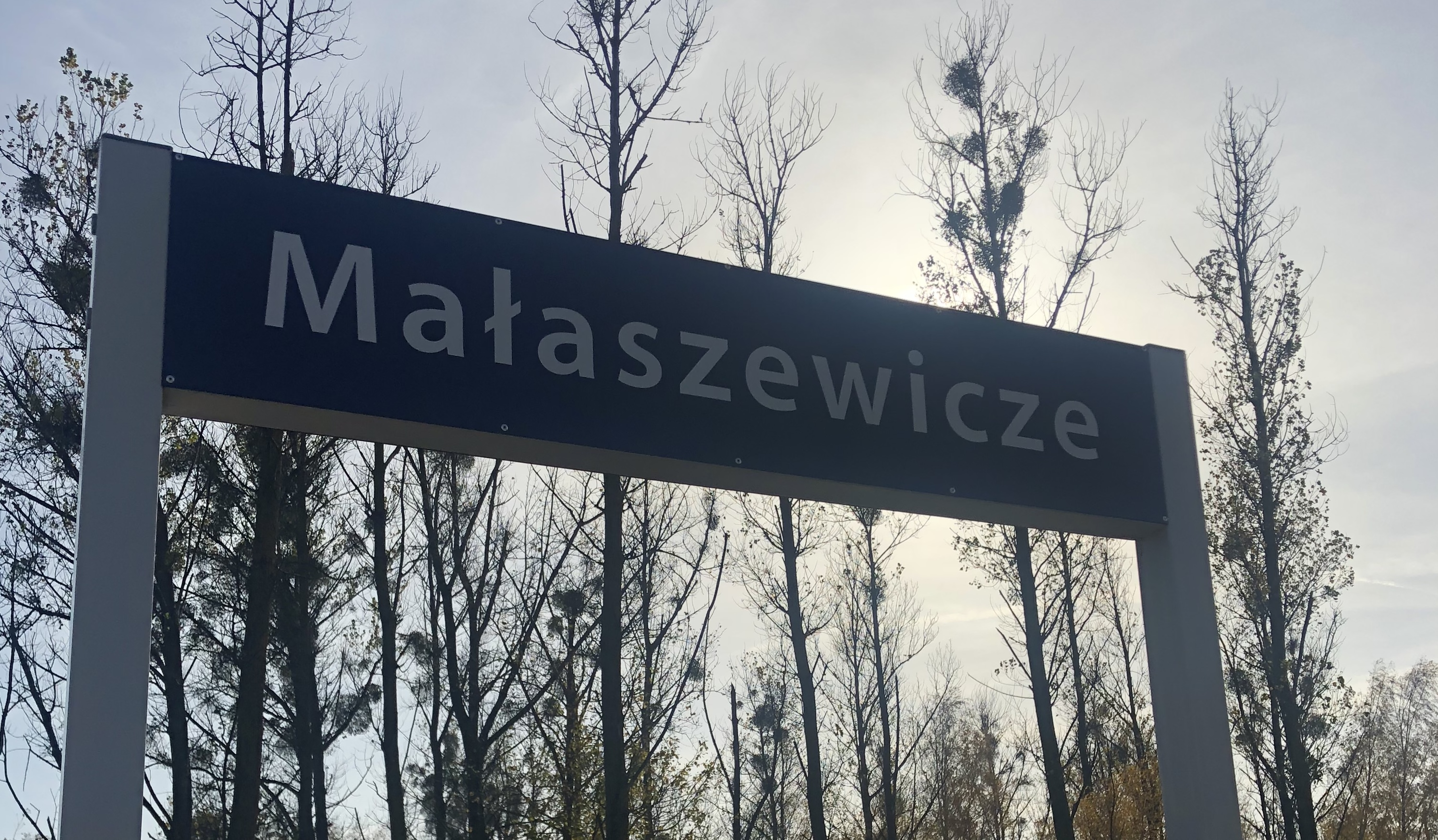
For China-Europe rail freight, this primarily affects the key railway crossing at Malaszewicze in eastern Poland. As a critical hub connecting Eurasian rail transport, Malaszewicze handles the majority of train transits entering the EU via Belarus. Under current policy conditions, train operations remain generally normal, though enhanced inspections and fluctuations in transit efficiency may occur during certain periods.
Industry observers generally believe that the current Polish border policies impact China-Europe rail services more in terms of stability risk rather than transit capacity. In the short term, transport corridors remain operationally viable, but logistics companies are advised to build in time buffers when planning shipments and to monitor policy developments closely.
Overall, China-Europe rail freight transit through Europe remains smooth, but in the current complex geopolitical environment, border policies have become a key factor affecting transport stability. Proper transport planning and enhanced information tracking will help improve overall supply chain security and controllability.